
NASA's Swift Space Observatory Falls Back To Earth
Language
Reading Level
Listen to Article
Alignment
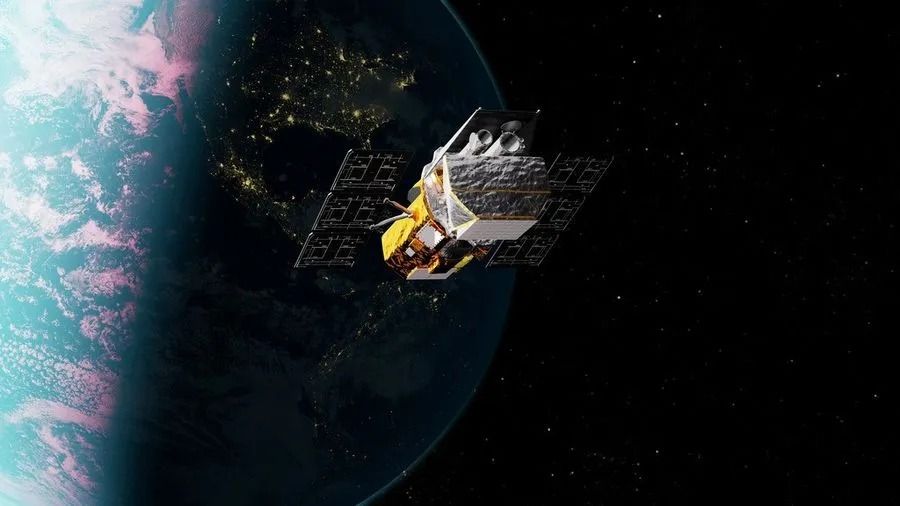
The Swift Space Observatory's 22-year mission has ended. On November 4, 2026, the 3,200-pound (1,450 kg) observatory reentered Earth's atmosphere at 7:39 am EST over North Sumatra, Indonesia. NASA believes most of the minibus-sized spacecraft burned up from the atmosphere's intense heat.
Launched in November 2004, Swift was originally designed to operate for just two years. Its main task was to detect and study gamma-ray bursts. These powerful flashes of energy occur when stars die or collide. However, the telescope far exceeded its planned lifespan and collected data on more than 2,000 gamma-ray bursts.
By 2026, Swift was still in orbit, but its altitude was dropping. Without help, it would eventually fall back to Earth. To save it, NASA launched a robotic spacecraft called LINK on July 3, 2026. LINK's mission was to rendezvous with Swift in orbit and extend its robotic arms to clamp onto the spacecraft. It would then use its thrusters to push Swift to a higher, stable orbit.
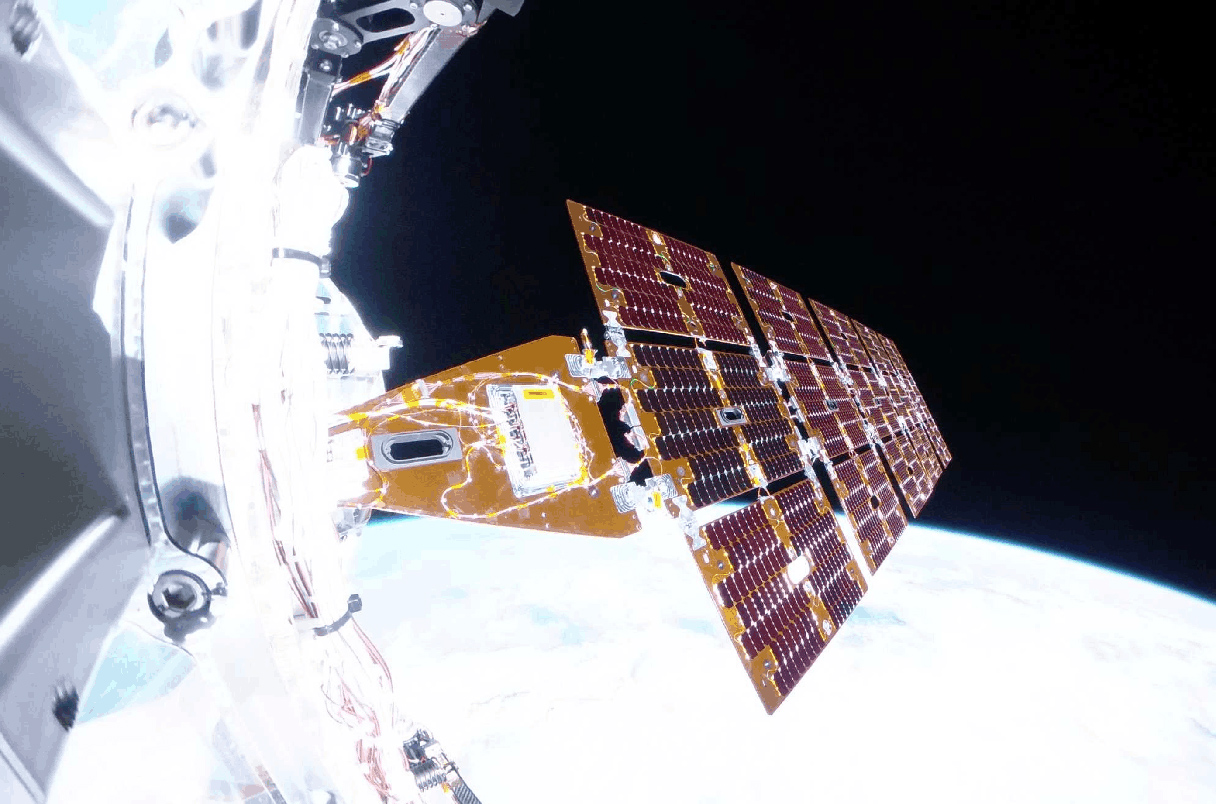
However, the rescue effort quickly ran into trouble. Shortly after reaching space, LINK experienced problems with its reaction wheels. These help keep the spacecraft pointed in the right direction. Then, a faulty valve caused LINK to spin, making it difficult to steer properly. Engineers used its thrusters to slow the spin and regain some control. However, this used fuel that was needed for the rescue mission. As a result, LINK no longer had enough fuel to safely capture Swift and raise its orbit.
In August, NASA cancelled LINK's original rescue plan. The spacecraft would instead carry out tests and maneuvers to demonstrate its capabilities and gather data for future missions. At one point, LINK came within about 7.5 to 9 miles (12 to 15 km) of the telescope. However, it never got close enough to touch it. After completing the tests, LINK's mission ended. The spacecraft reentered Earth's atmosphere on September 25, 2026, after 85 days in space.
Swift, meanwhile, continued to lose altitude as it orbited Earth. Its science mission officially ended on October 20, when it dropped too low to observe objects in space. NASA's operations team then sent a command to shut down its instruments in preparation for its eventual reentry on November 4.
Resources: NASA.gov, Space.com, NPR.org
Get the Workbook for this article!
Workbook contains: Article, Reading Comprehension, Critical Thinking Questions, Vocabulary in Context (+ answers), Multiple Choice Quiz (+ answers), Parts of Speech Quiz (+ answers), Vocabulary Game (+ answers)Cite Article
Learn Keywords in this Article

31 Comments
 tyrakelycesu13 daysSo much trash.
 imcoolbruh13 daysinsane!
 colinkozuska13 daysthat's kind of sad
 lc132113 daysThat is very interesting 🤔
 httydgalaxy14613 daysI feel so bad for NASA
- httydgalaxy14613 daysIt’s sad, just sad
- godismyhero13 daysNice
- encor14 daysHonestly I feel NASA's pain.
 arwyns3314 daysthats insane and crazy (first to comment)
- arwyns3314 daysthats just crazy