
Can Healthy Coral Save Bleached Reefs?
Language
Reading Level
Listen to Article
Alignment
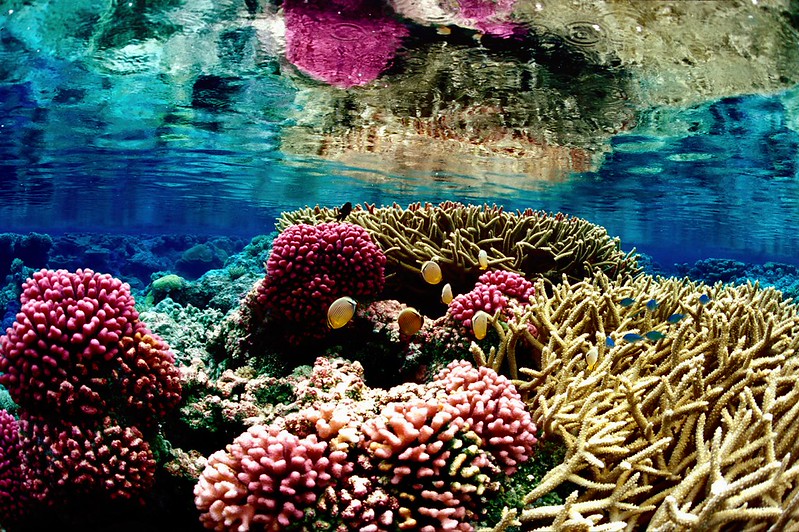
Rising ocean temperatures are devastating coral reefs worldwide. Between January 2023 and September 2025, at least 83 countries and territories reported mass coral bleaching. This was the largest global bleaching event ever recorded. Now, there may be a simple way to help bleached coral recover — by placing it in contact with healthy coral.
Why coral reefs matter
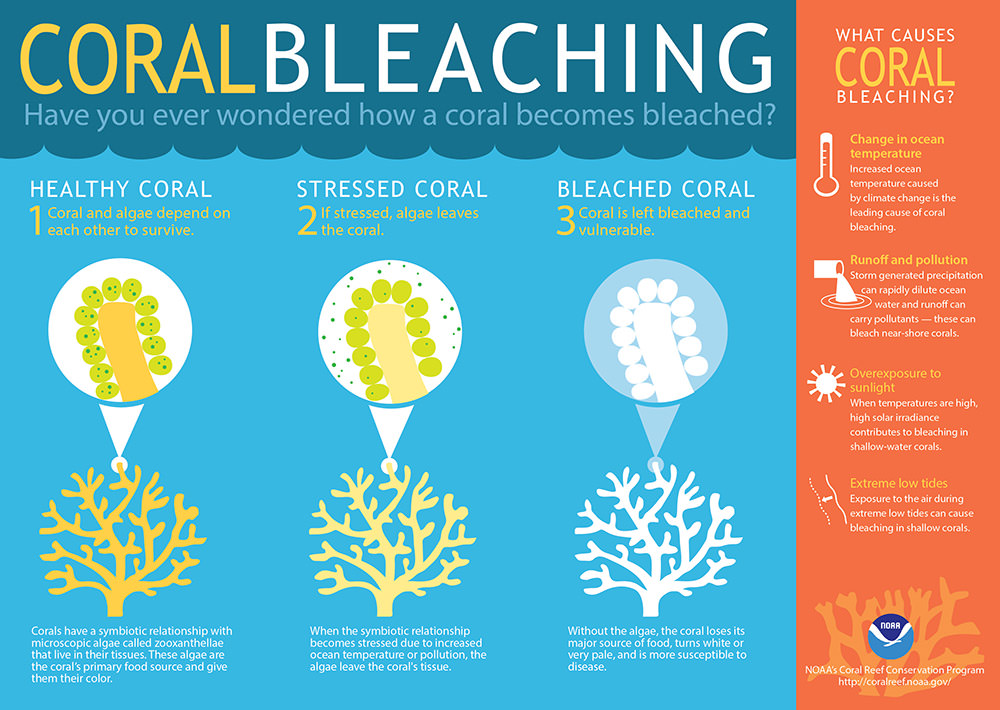
Coral reefs are not just beautiful to look at — they are also extremely important to ocean life. Although they cover less than 1 percent of the ocean floor, they support about 25 percent of all marine species. This is why coral reefs are often called the "rainforests of the sea."
Corals may look like plants. But they are actually living animals. They rely on tiny algae that live inside them. The corals provide the algae with shelter and nutrients. In return, the algae give corals their vivid colors and supply much of the energy they need to survive.
But when ocean temperatures become too warm, corals become stressed and expel the algae. Without them, corals lose their color and turn white. This process is known as coral bleaching. Although, bleached coral is not dead, it becomes weaker and can die if the heat continues.
The chance discovery
The idea that healthy coral could help restore bleached coral came about by chance. In 2025, Steve Palumbi, a marine scientist at Stanford University in California, noticed that two coral fragments in his lab tank had tipped over and were touching. One was healthy, while the other was bleached. A closer look revealed that the bleached coral was beginning to regain its color where the two pieces met.
Around the same time, Danny Collins, a PhD student in the same lab, was studying how harmful bacteria spread to coral through contact with plastic debris. After learning about Palumbi's observation, he wondered whether contact could also have a positive effect. Could healthy coral transfer beneficial algae to bleached coral and help it recover?
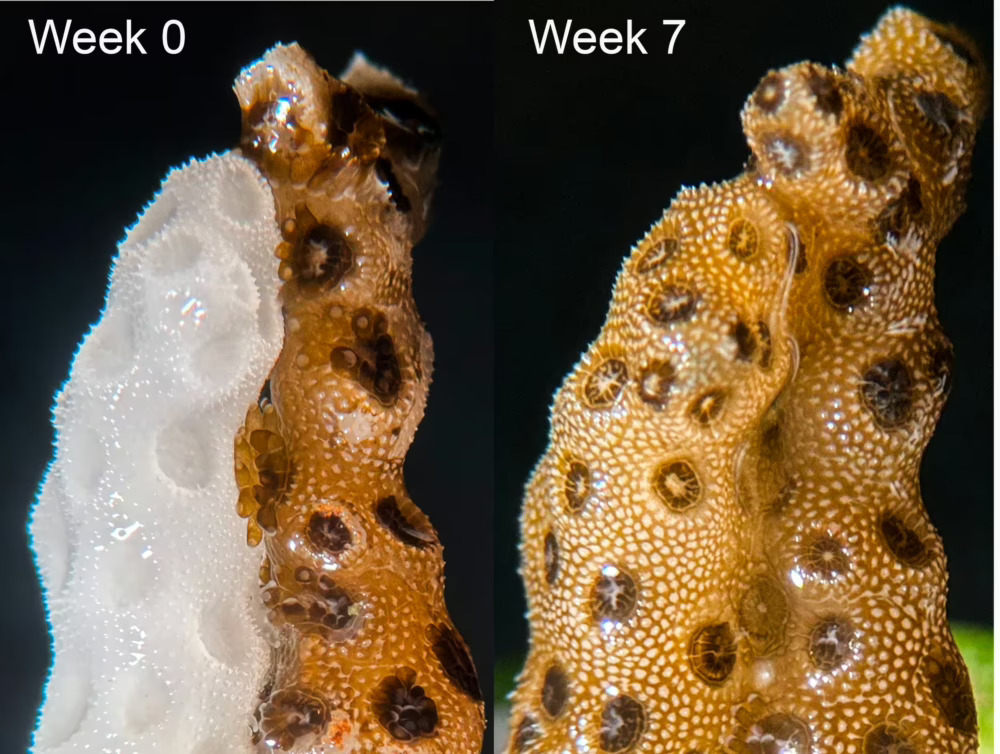
To test the idea, Collins set up an experiment with ten pairs of cauliflower coral fragments. Each pair included one healthy piece and one bleached piece from the same colony. Five pairs were placed in contact with each other, while the other five were kept a few millimeters apart.
The results were striking. All five bleached pieces that touched healthy coral were well on their way to recovery within seven weeks. The pieces kept apart did not recover and eventually died.
"We were blown away [to] actually watch the healthy coral restore the color of the bleached corals essentially right before our eyes," Collins said. "It was so much faster and more intense than we ever expected."
How does the healing work?
To understand how the coral recovered, the researchers examined the touching pieces under a powerful microscope. They discovered that the two coral pieces had fused, forming tiny channels between their tissues. These channels acted like passageways, allowing beneficial algae and nutrients to move from the healthy coral into the bleached coral.
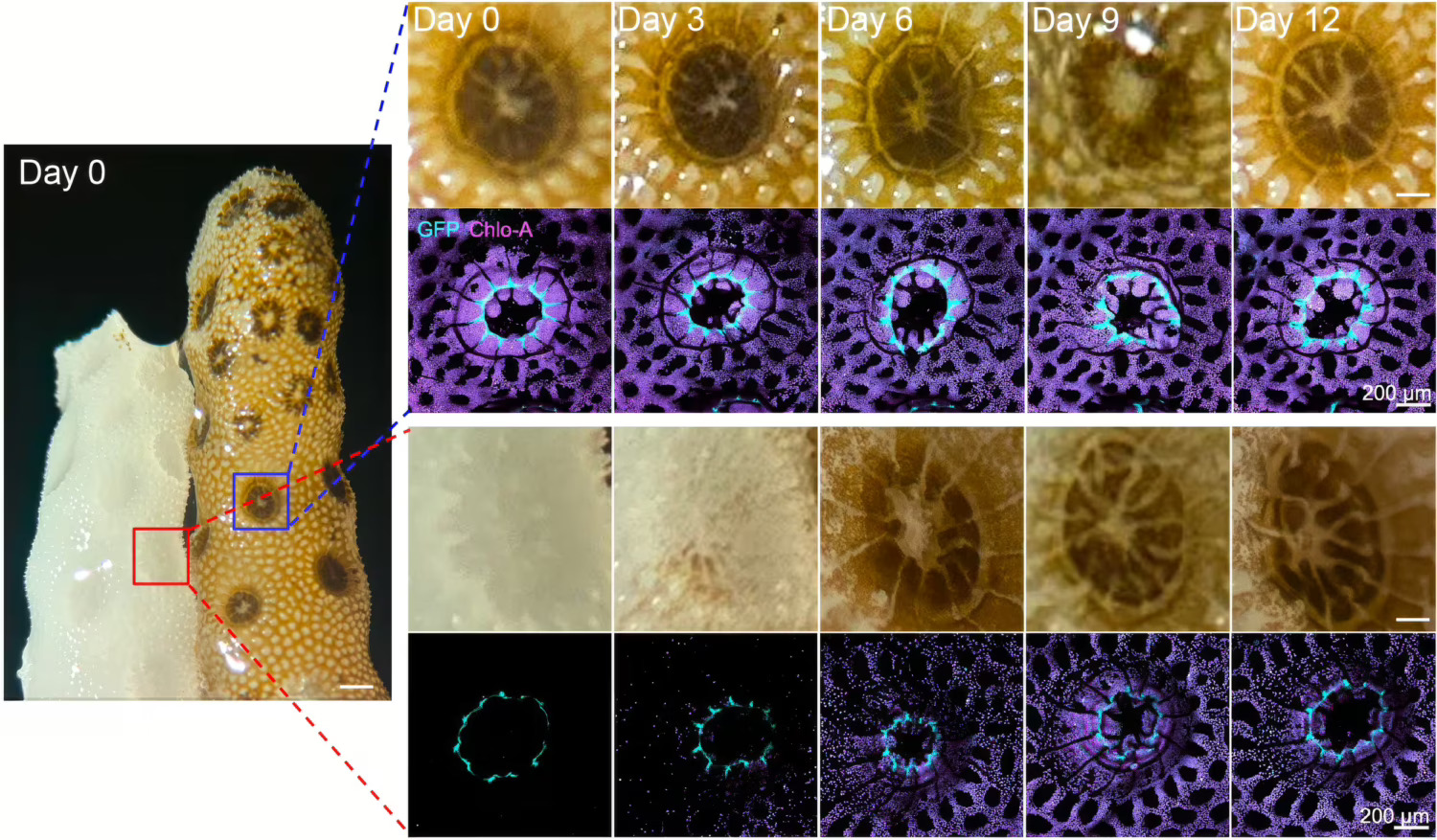
The researchers also tested how long the pieces needed to remain in contact. They found that just one week was enough to transfer the algae needed to start the recovery process. After that, the bleached coral could continue healing on its own, even when separated from the healthy piece. In some cases, just three days of contact was enough to start the process. By the second week, the algae inside the recovering coral were doubling every four days. This was about ten times faster than algae growth in the wild.
"Once beneficial algae enter bleached corals, they don't just spread out," said Palumbi. "They flood in and start dividing at the fastest rates seen in corals."
What's next?
The results of the study were published in the journal Science Advances on October 14, 2026. Although encouraging, the method is not yet a practical solution for restoring reefs on a large scale. It requires healthy coral that is genetically identical to the bleached coral. Finding enough matching coral fragments to restore large areas of reef would be very difficult.
However, the Stanford team plans to explore other ways to introduce beneficial algae into bleached coral. One possibility is to collect healthy algae before heat waves strike. Researchers could then introduce it to bleached coral in large batches to help speed up recovery.
"Bleached corals aren't a lost cause, and they do have a remarkable potential and capacity to rapidly recover," Palumbi said.
Resources: Stanford.edu, Science.org, Kqed.org

Get the Workbook for this article!
Workbook contains: Article, Reading Comprehension, Critical Thinking Questions, Vocabulary in Context (+ answers), Multiple Choice Quiz (+ answers), Parts of Speech Quiz (+ answers), Vocabulary Game (+ answers)Cite Article
Learn Keywords in this Article

13 Comments
- 3456space4 daysCool
 buttercutter4 daysOne more step to a healthier Earth
- buttercutter4 daysThis is cool