
How Beavers Are Helping Tackle Flooding In London
Language
Reading Level
Listen to Article
Alignment
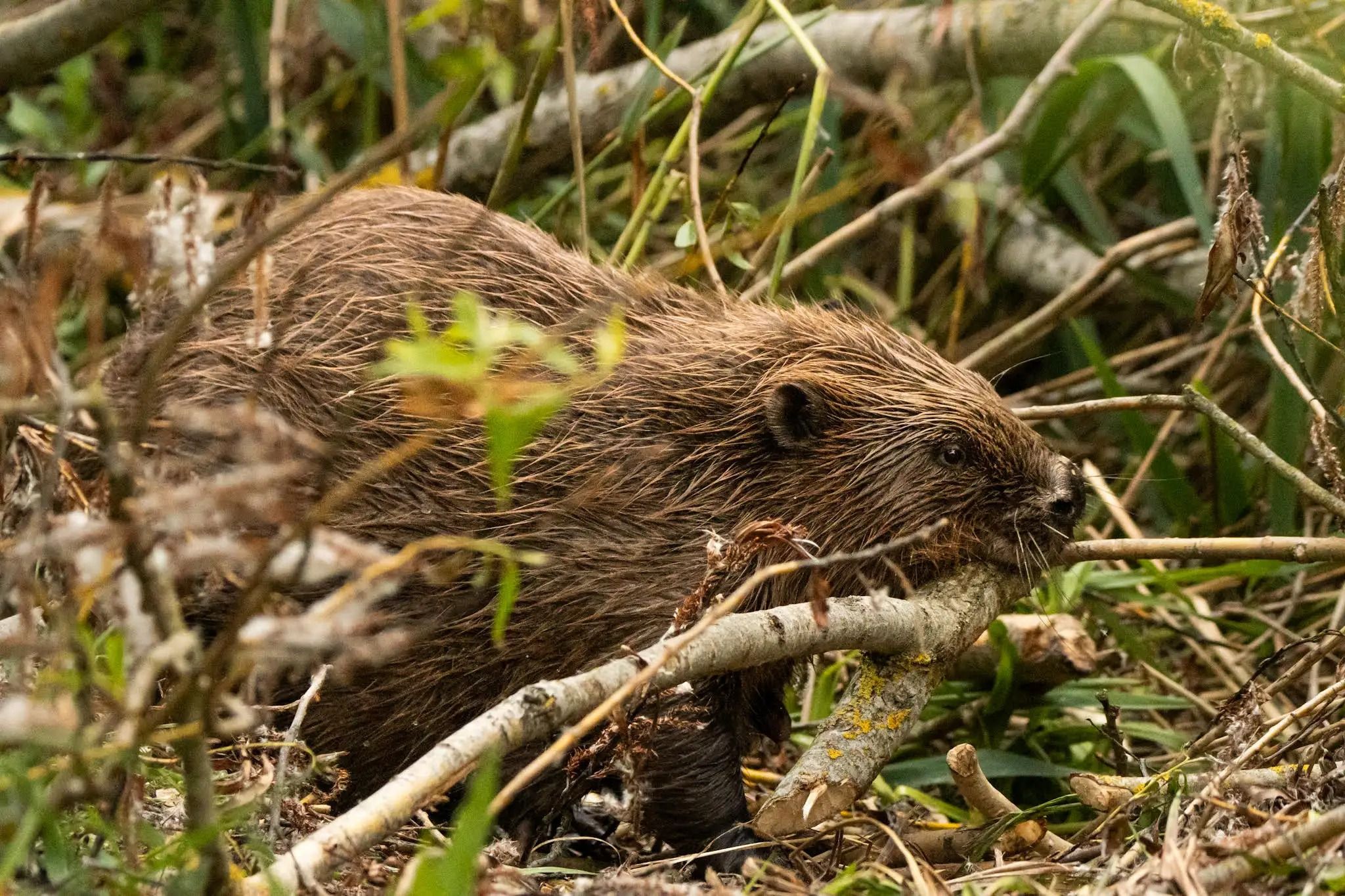
Beavers are often called nature's flood engineers. The animals use their strong, orange front teeth to cut down trees and collect branches to build dams. They also create ponds and dig channels that allow water to flow into new areas. These natural building skills are proving useful in West London, where five Eurasian beavers have helped turn an abandoned golf course into a thriving wetland.
The beavers were released at Paradise Fields in October 2023 as part of the Ealing Beaver Project led by Dr. Sean McCormack. It aimed to address flooding at the nearby Greenford Station. During heavy rain, large amounts of water flowed through Paradise Fields and traveled downstream toward the railway station. The drainage system was often unable to handle the large volume of water, resulting in flooding. Instead of building expensive reservoirs and barriers to control the water, McCormack suggested letting beavers do the work.
"They had planned a lot of expensive engineering works to create reservoirs to hold more water," he said. "And we said beavers could do that at a fraction of the cost and maybe more effectively."
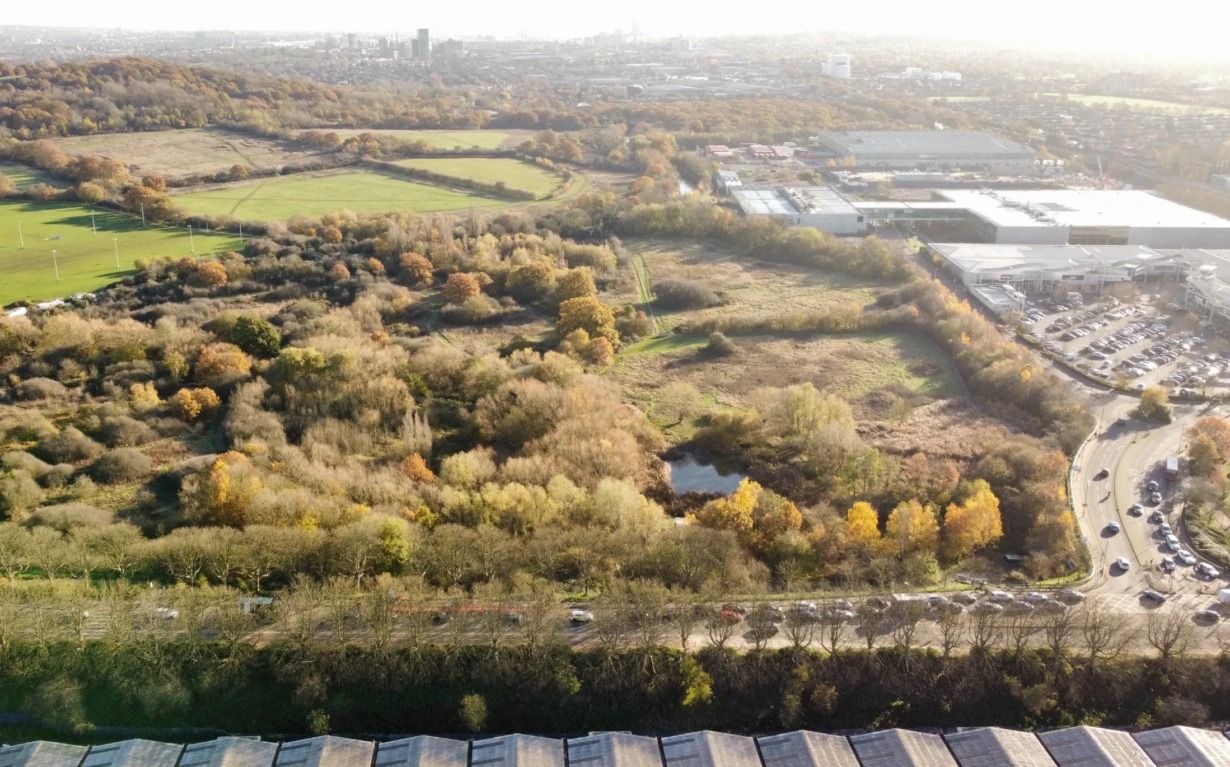
As it turned out, he was right. Greenford Station has not flooded since the beavers arrived. Their dams hold back rainwater, allowing it to spread across the wetland. The water then drains gradually rather than rushing toward the station.
Beyond helping prevent floods, the beavers have turned Paradise Fields into a nature reserve in the middle of busy West London. The wetland now supports freshwater shrimp, eight bird species, and two types of bats. By chewing through some trees, the beavers have also opened up the tree canopy. This is allowing more sunlight to reach the ground. Visitors can now explore the reserve on guided walks and sometimes spot the beavers at work.
Beavers once lived throughout Britain. But they were hunted to extinction by around the 16th century. The animals' return to Paradise Fields is part of a wider conservation effort called rewilding. This involves restoring natural habitats and reintroducing native animals that have disappeared.
Resources: theealingbeaverproject.com, BBC.com, NPR.org

Get the Workbook for this article!
Workbook contains: Article, Reading Comprehension, Critical Thinking Questions, Vocabulary in Context (+ answers), Multiple Choice Quiz (+ answers), Parts of Speech Quiz (+ answers), Vocabulary Game (+ answers)Cite Article
Learn Keywords in this Article

32 Comments
- lumehotipigo3 daysDid you know there are school teams named beavers?
 hwd_194 dayscool :)
 bukubafebacy4 dayscute
 kovefilolusa4 daysso smart how we find ways to help the environment using creatures which also these type of things give the creatures a home to
 thejackguy4 daysReminds me of the two A’s:ADORABLE & AWESOME (talking bout beavers baby)
- gimelypocybi5 daysbeavers are my favorite!!!!!
 dokorezyveva5 daysso cute!
 ibelieveingod5 daysO my gosh that is crazy how an animal was able to do that!
 winirinazefu5 dayso my gosh that is crazy
- sopibagamodi6 daysIt's sad how Britain hunted beavers to extinction in at least there and how they were almost hunted to extinction in the USA but at least there are still with us to this day.
 fieryfalcons3 daysyeah, its really sad...
 skittlesarecool6 daysmy friend loves beavers,so wen he saw this he was really excited