The Origins and Traditions Of Halloween
Language
Reading Level
Listen to Article
Alignment
On October 31, millions of people around the world will celebrate Halloween. The holiday is especially popular in the United States, where 92 percent of households plan to take part in at least one Halloween activity this year. But how did this spooky holiday begin? And where did its fun traditions come from? Read on to find out!
The origins
Halloween's history dates back more than 2,000 years to the Celtic festival of Samhain. The Celts lived in areas that are now Ireland, the UK, and northern France. Samhain marked the end of the harvest. They believed that the spirits of the dead could return to Earth during Samhain. To protect themselves from these spirits, they lit bonfires and wore costumes made from animal heads and skins.

In the eighth century, Pope Gregory III designated November 1 as All Saints' Day to honor saints. Over time, the celebration began to incorporate some Samhain traditions. The evening before All Saints' Day became known as All Hallows' Eve. This later evolved into Halloween.
Halloween traditions came to America with Scottish and Irish immigrants in the mid-1800s. It first became popular in the Northeast and Midwest before spreading across the country by the early 20th century. Early celebrations included sharing ghost stories, dancing, and singing.
Trick-or-treating
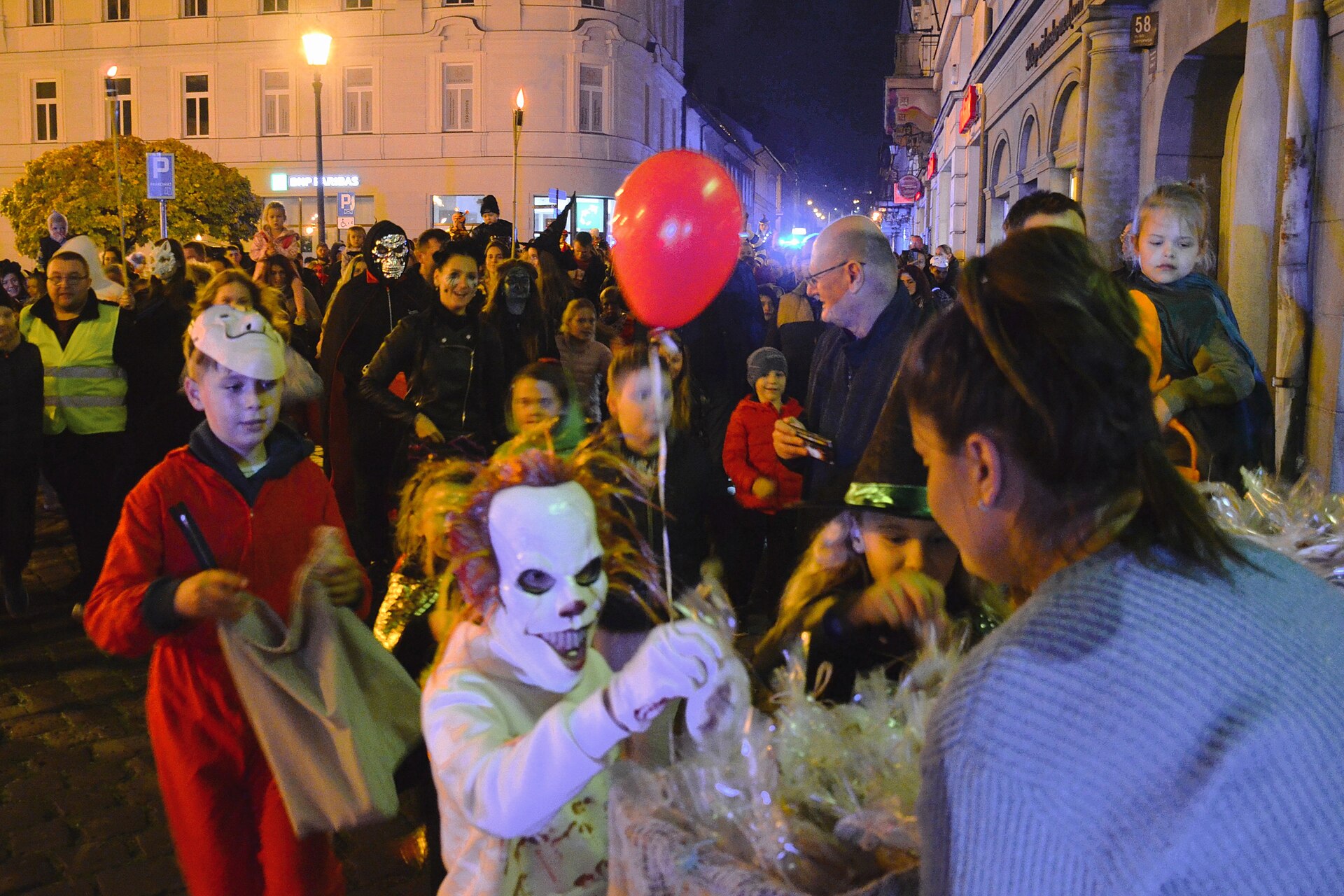
Trick-or-treating has its roots in the European tradition of All Souls' Day. On this day, the poor would knock on the doors of the wealthy and offer prayers for their dead. In return, they received sweet breads called soul cakes. This tradition was known as "souling." It evolved when Irish and Scottish children began dressing in costumes and receiving treats for singing or reciting poems. Immigrants later brought these traditions to America, where they eventually became the modern trick-or-treating celebration.
Why candy?
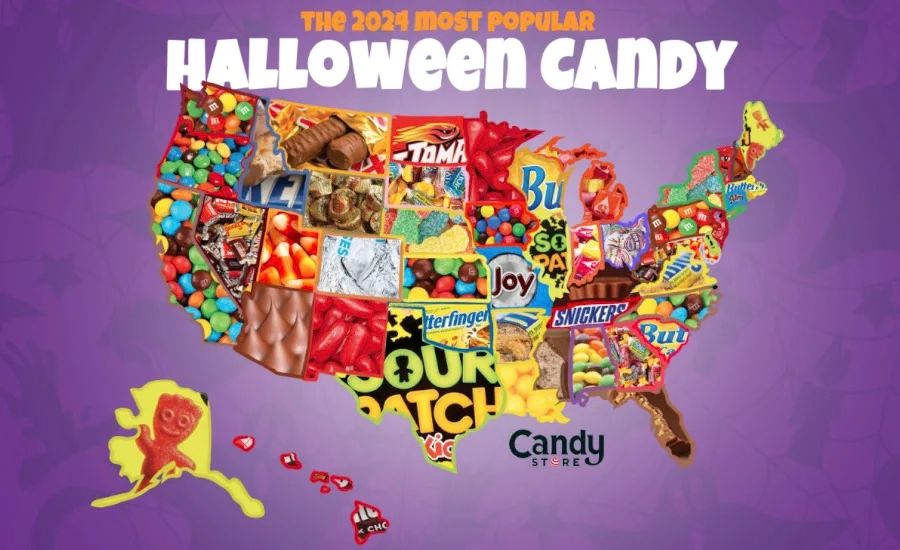
In the early days of trick-or-treating, children received homemade goods, fruit, nuts, coins, and small toys. That changed in the 1970s, when growing safety concerns over unwrapped items led parents to favor factory-sealed sweets instead. Today, Halloween is a major holiday for candy makers. Americans alone buy more than 600 million pounds of candy each fall. This accounts for about 10 percent of annual candy sales, generating billions of dollars for manufacturers.
Jack-o'-lanterns
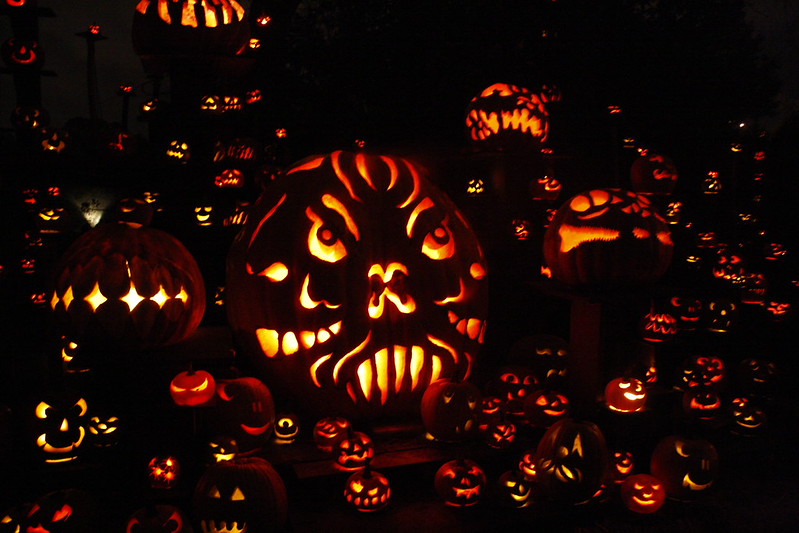
No Halloween is complete without a spooky jack-o'-lantern. The tradition began in Ireland, where people carved eerie faces into turnips and potatoes to ward off evil spirits. When Irish immigrants arrived in America, they discovered that pumpkins were larger and far easier to carve. Before long, these orange gourds became the favorite choice for making jack-o'-lanterns.
Have a spooky and safe Halloween!
Resources: Wikipedia.org, History.com, libraryofcongress.gov

Get the Workbook for this article!
Workbook contains: Article, Reading Comprehension, Critical Thinking Questions, Vocabulary in Context (+ answers), Multiple Choice Quiz (+ answers), Parts of Speech Quiz (+ answers), Vocabulary Game (+ answers)Cite Article
Learn Keywords in this Article

82 Comments
- revamiryjedi4 daysI went as Dr. Ivo Robotnik from the Sonic the Hedgehog Cinematic Universe.
 namaryfesile6 dayshey i dont celebrate halloween but I still do trunk-or-treating at my school does that count
- revamiryjedi4 daysI guess so
 skittlesarecool13 daysthis was super cool
 lc132113 daysI got soooo much candy! Maybe toooo much!
 thadsooy17 daysI was marv form home alone for halloween .
 rabmo19 daysI was Harry Potter for Halloween this year
- hithebye21 daysnice
- wawaguy24 daysI'm being the worlds greatest hero spooder man
- rasyhenubusu25 dayscandy is money for us kids
 gessica25 daysTis awesome I actually do sellabrate the day of the dead I set up a tent for the spearets